How Rail Expansion Projects Enhance Residential Accessibility
- canberra812
- 13 hours ago
- 2 min read

Urban mobility is a key factor influencing residential choices in today’s fast-paced world. As cities continue to grow, the expansion of rail networks plays a pivotal role in enhancing accessibility and improving the overall quality of life for residents. Rail infrastructure not only shortens commute times but also connects communities, boosts property values, and encourages sustainable urban development.

Improved Commute Efficiency
One of the most immediate benefits of rail expansion is reduced travel time. New lines and stations allow residents to reach work, school, and recreational areas faster than ever before. Efficient connectivity reduces reliance on private vehicles, alleviating traffic congestion and providing a more predictable and comfortable commuting experience. For families and working professionals, this translates to more time spent at home or engaging in personal activities, enhancing work-life balance.
Enhanced Property Values and Investment Potential
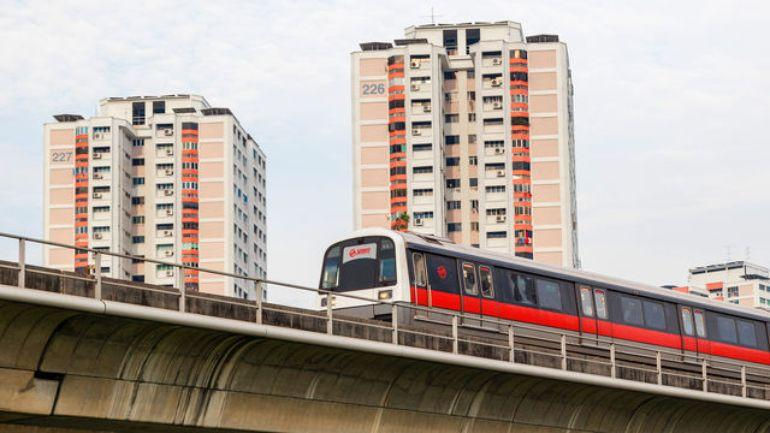
Residential developments located near rail expansion projects often experience a surge in demand. Proximity to transit stations is highly attractive to both homebuyers and investors. Properties with easy access to rail networks tend to maintain higher resale values and often enjoy better rental yields. Urban planners and real estate developers recognize this trend, frequently incorporating transit-oriented development (TOD) principles that integrate residential, commercial, and recreational spaces around transport hubs.
Sustainable Urban Development
Rail networks contribute significantly to sustainable urban growth. By encouraging the use of public transportation, cities can reduce carbon emissions and limit traffic congestion. Rail expansion projects also promote higher-density development in strategic areas, preserving green spaces and reducing urban sprawl. This approach not only benefits the environment but also enhances the liveability of urban neighborhoods by fostering walkable communities and vibrant local economies.
Broader Accessibility and Social Inclusion
Beyond commuting efficiency, rail expansion improves access to essential services and recreational amenities. Residents can more easily reach healthcare facilities, educational institutions, shopping districts, and cultural centers. Enhanced mobility also fosters social inclusion by connecting previously underserved neighborhoods with major urban hubs. Communities become more integrated, providing equal opportunities for work, education, and leisure, regardless of location.
Long-Term Urban Planning Benefits
Investing in rail infrastructure is a forward-looking strategy for cities aiming to support growing populations. Well-planned rail expansion not only addresses current transportation needs but also anticipates future demand. Comprehensive planning ensures that stations and lines can accommodate increased ridership, minimizing the risk of overcrowding and maintaining efficient service. Urban developers can align new residential projects with these transit plans, ensuring long-term value for homeowners and investors alike.

Conclusion
Rail expansion projects are more than just a transportation initiative—they are a catalyst for improved residential accessibility, sustainable development, and urban livability. From reducing commute times to boosting property values and fostering social inclusion, the benefits extend across multiple dimensions of city life.
As cities continue to grow and evolve, residents increasingly prioritize accessibility and convenience in their housing choices. By strategically integrating residential developments with rail networks, urban planners and developers create communities that are efficient, vibrant, and future-ready. For homebuyers and investors alike, proximity to rail infrastructure represents both lifestyle convenience and a smart long-term investment.


Comments